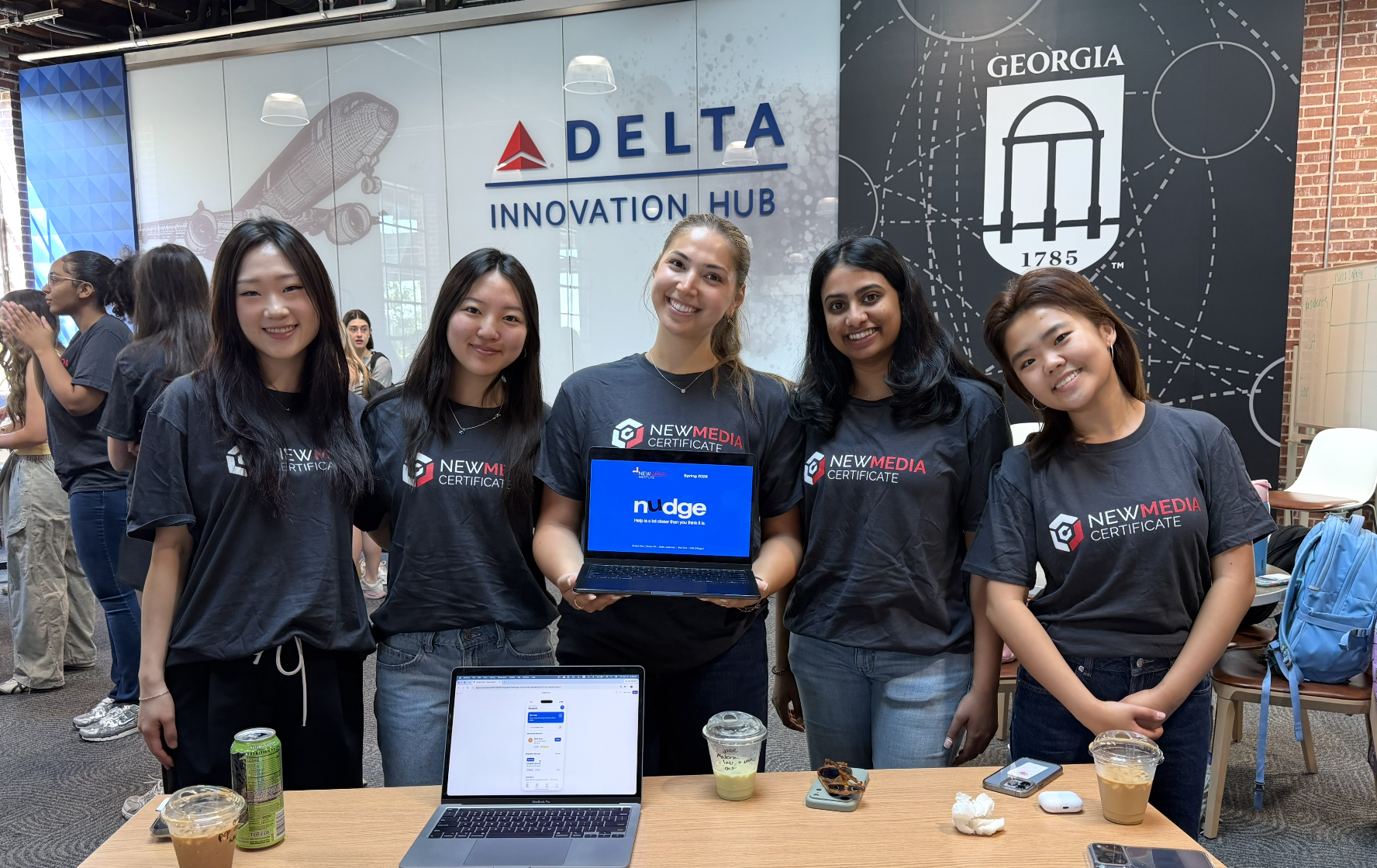
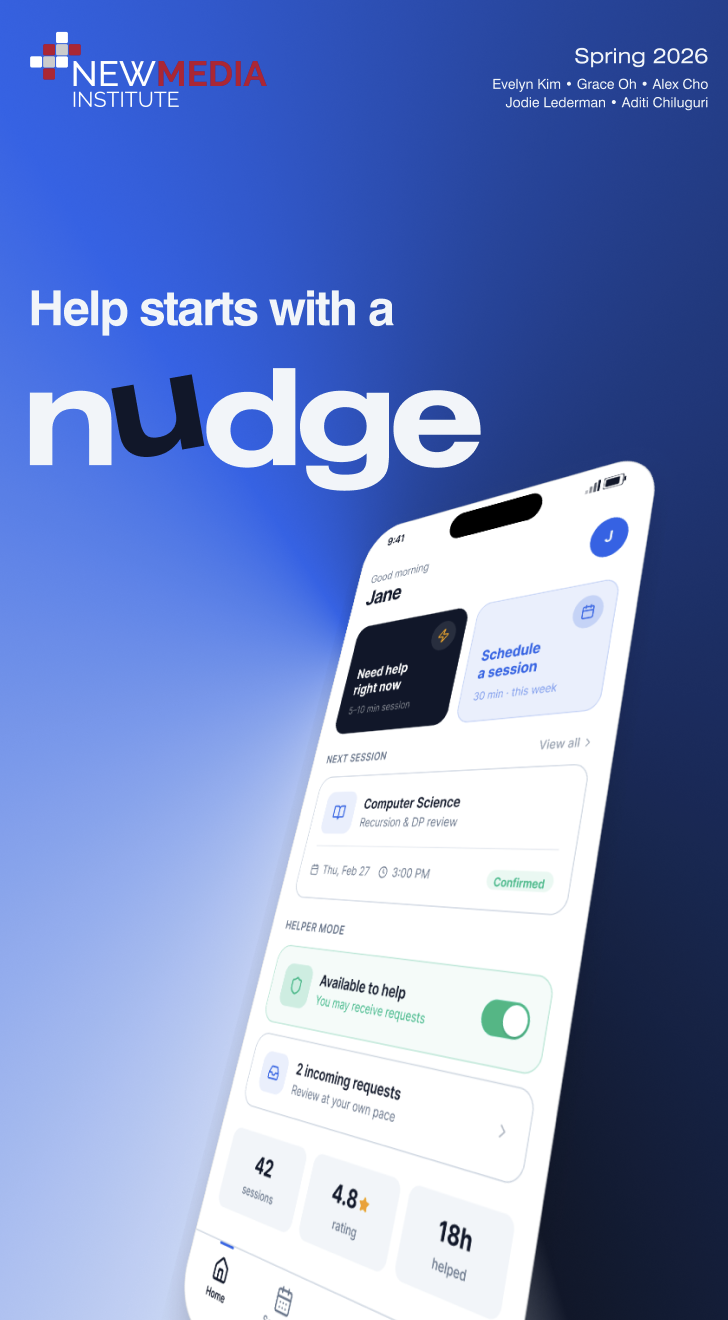
Nudge
Spring 2026
Nudge is a real-time, proximity-based platform that connects students with nearby peers for immediate academic and career support.
Designed as part of my New Media capstone, the app allows users to request or offer help based on availability, intent, and location, turning campus into a live network of support.
Through user research and iterative design, we focused on reducing social friction, increasing trust, and enabling quick, low-commitment interactions. Features such as verified users, time-based requests, and public meetup suggestions ensure that help is not only accessible, but safe and reliable.
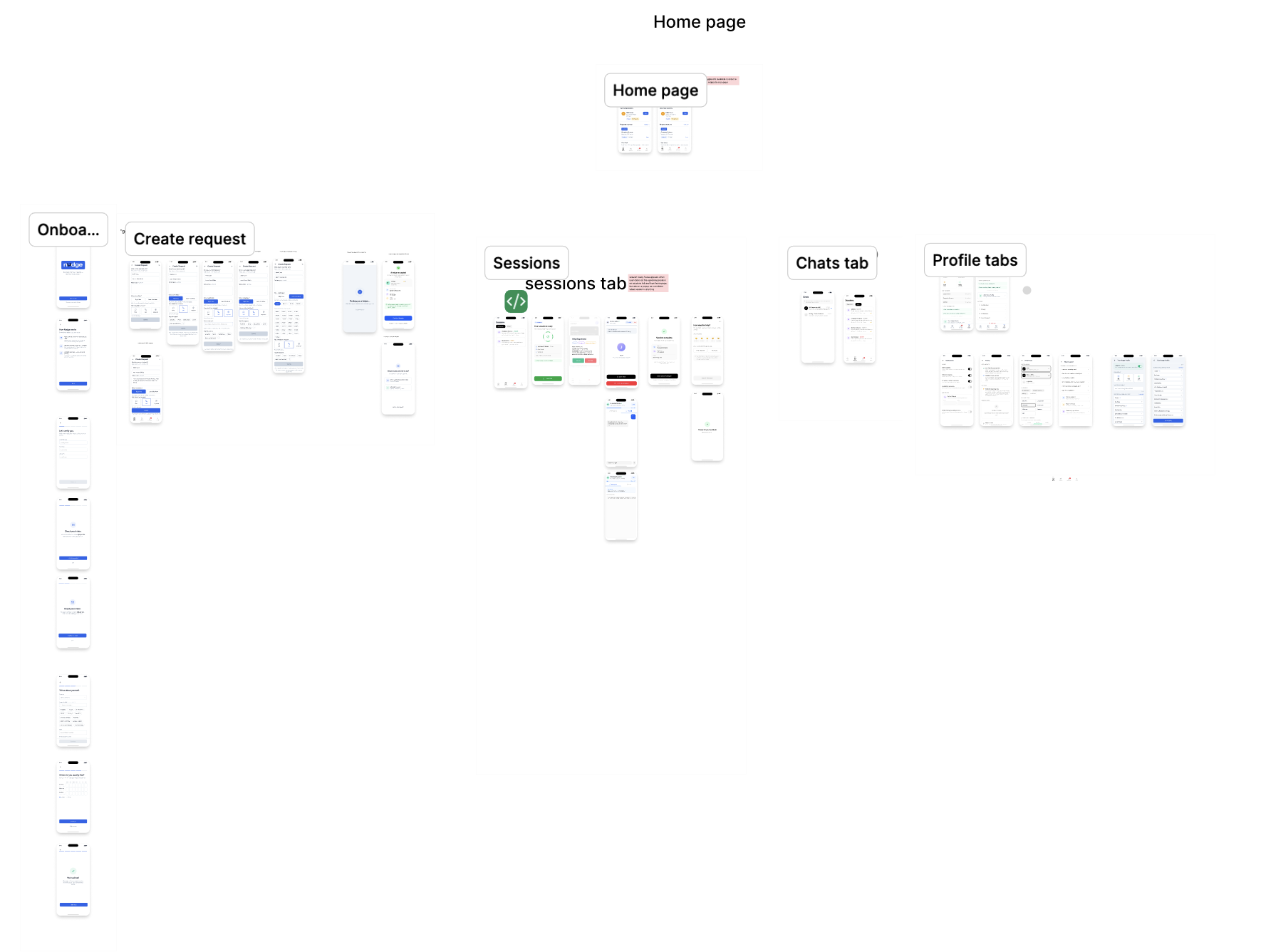
The Process
The Description
For this project, our team set out to solve a common but overlooked problem: students often need quick, in-the-moment help, but struggle to find the right person at the right time.
Nudge was designed to bridge that gap by enabling real-time, intent-based connections between nearby students. Users can either request help or offer it, making the experience flexible, low-pressure, and mutually beneficial.
The Research
We conducted surveys and user interviews to better understand how students seek help and what prevents them from doing so.
Our research revealed key challenges, including hesitation to approach strangers, concerns around privacy and safety, and low engagement with existing platforms that lack immediacy. Many students expressed that while help is often nearby, accessing it feels socially or logistically difficult.
The Solution
Based on these insights, we designed Nudge around three core principles: trust, speed, and ease of use.
The platform allows users to post time-sensitive requests, discover nearby opportunities, and connect in safe, public environments. Features such as verified student accounts, optional location sharing, and structured time windows reduce uncertainty and make interactions feel more comfortable and reliable.
Each design decision was focused on minimizing friction and encouraging quick, meaningful connections that fit naturally into students’ daily routines.
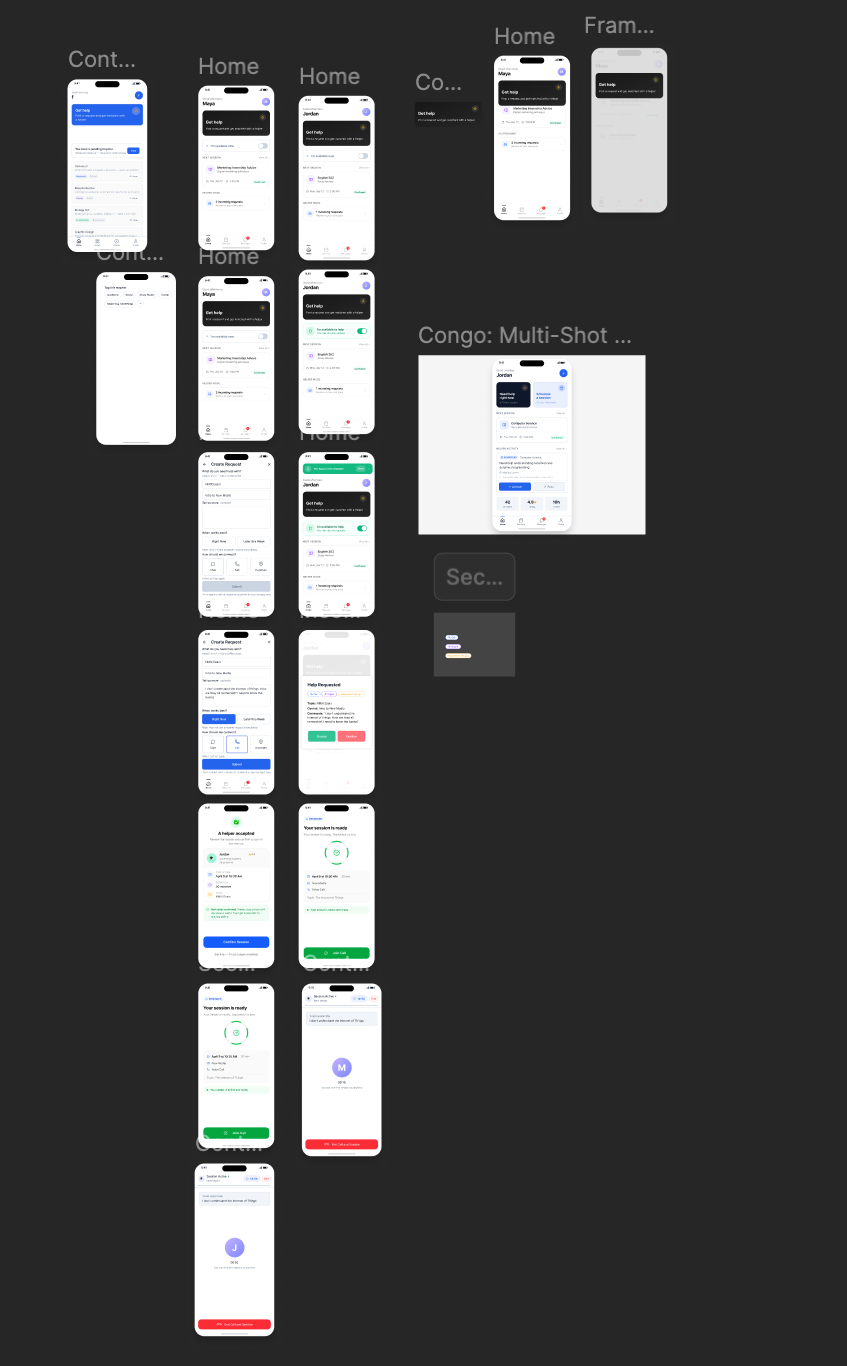
Tools Used
Canva - Project planning, user journey mapping, and collaborative brainstorming
Figma - UX/UI design, wireframing, and high-fidelity prototyping
Impact
This project strengthened my ability to design for real-world user behavior, especially in situations involving social hesitation and trust.
I learned how to translate user research into actionable product decisions, balancing usability, safety, and engagement. Nudge pushed me to think beyond functionality and focus on how design can influence human interaction and decision-making.
Link to Project